Terrence Davis (D)
Terrence Davis, a husband, father, and former state trooper in both Tennessee and South Dakota, is running for South Dakota Secretary of State to restore trust in elections and ensure government serves the people – not politics. With degrees in Criminal Justice and Public Policy, and now pursuing a Doctorate in Policy and Law, he brings proven experience and a deep commitment to transparency, accountability, and service.
Davis believes every voice matters – whether from voters, business owners, nonprofit leaders, or everyday citizens. As Secretary of State, he will protect secure, accessible elections, with a focus on rural communities, and modernize services to be more efficient and respectful. He will lead with one guiding principle: integrity first – protecting every vote and putting the needs of South Dakotans above politics.
Monae Johnson (R)
Monae Johnson has emerged as one of the most aggressive anti-voter officials in the country. Since becoming Secretary of State in 2022, Johnson immediately pushed for stricter voter ID and proof-of-citizenship requirements, despite data showing virtually no illegal voting in South Dakota. She also removed 273 “noncitizens” from the rolls in a sweeping purge that opponents say was poorly targeted and insufficiently reviewed.
Johnson has weaponized administrative power against elections rather than protect them. She has also echoed conspiratorial rhetoric, publicly questioning the integrity of routine election safeguards. With Johnson at the helm, South Dakota has become a warning sign of how right-wing election denialism and overreach can take hold at the state level, creating confusion, fear, and unnecessary barriers for legitimate voters.
Heather Baxter (R)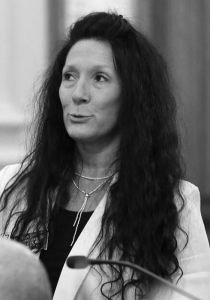
Heather Baxter, a first-term Republican state representative from Rapid City, sponsored House Bill 1062 – pushed legislation requiring county auditors to submit voter-registration changes daily and the Secretary of State to publish weekly updates of registered voters. While she frames these measures as promoting ‘transparency,’ they risk voter privacy and could discourage participation – particularly among vulnerable populations – echoing past incidents where voter information was mishandled.
Baxter’s alignment with Trump-aligned “election integrity” groups and emphasis on alleged irregularities – without clear evidence – risks fostering distrust among voters and framing routine electoral procedures as politically contentious.